Infuse Artistry: Working with Unique Impressionist Backgrounds
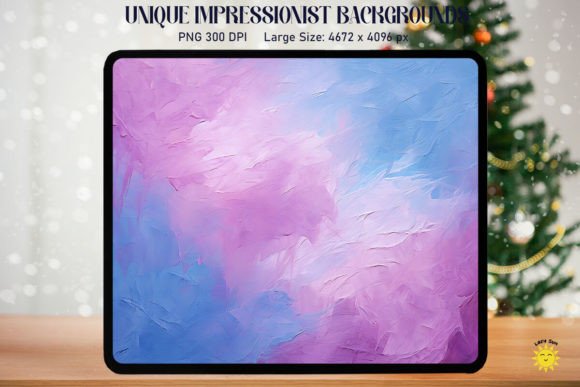
There is a distinct texture to the digital world that often feels overly sanitized. We scroll through feeds and websites dominated by perfect gradients and vector precision, which, while functional, can sometimes lack the soul of traditional art. For designers and creatives looking to break away from that sterility, the solution often lies in Unique Impressionist Backgrounds. These assets offer a bridge between classical art history and modern graphic design, providing a rich, emotional foundation for various projects. Unlike standard stock photos, these backgrounds are defined by their distinctive brushstroke patterns and dynamic textures that mimic the tactile quality of oil on canvas.
The Visual Language of Brushwork
When you look at Unique Impressionist Backgrounds, you aren't just seeing a color palette; you are seeing movement. The defining feature of this collection is the artistic backdrops created through unique brushwork designs. Impressionism is historically about capturing the fleeting effects of light and atmosphere, and these digital assets emulate that beautifully. You will notice that the edges are rarely hard. Instead, colors bleed into one another, creating a soft, organic aesthetic that feels alive.
The visual characteristics of these files rely heavily on texture. Whether it is a simulated palette knife effect or soft, hazy strokes, these distinctive brushstroke patterns add depth that flat colors simply cannot achieve. This style brings a sense of warmth and sophistication to a layout. It suggests that a brand or project values creativity and timelessness. For a graphic designer or content creator, using these assets instantly elevates the perceived value of the work, transforming a simple layout into a piece of visual art.
Practical Applications for Modern Creators
The versatility of these design assets is one of their strongest selling points. Because the files are high resolution (approx 4672 x 4096 px at 300 DPI), they are suitable for both digital and physical mediums. For small business owners and entrepreneurs, the applications are vast.
Consider the impact on social media graphics. In a crowded feed, a post featuring a textured, painterly background stands out against the sharp, digital noise of competitors. It draws the eye and invites the viewer to pause. This is particularly effective for web design hero sections or blog headers where you want to establish a mood immediately without relying on heavy typography.
For those in packaging design or editorial design, these backgrounds offer a tactile quality that translates well to print. Imagine a wedding invitation or a greeting card where the background isn't just a color, but a wash of artistic emotion. The 300 DPI resolution ensures that when resized for printing on cards, invitations, or banners, the integrity of the unique brushwork designs remains crisp. Even for scrapbooking or craft projects, the aesthetic provides a professional, gallery-quality finish.
Integrating Texture into Brand Identity
Choosing a background is a strategic decision in brand identity. Using Unique Impressionist Backgrounds communicates specific values to your audience. It signals creativity, attention to detail, and a connection to the arts. However, integrating such a strong visual element requires a thoughtful approach to visual hierarchy.
When you have a background that features busy distinctive brushstroke patterns, your typography needs to work harder to be legible. This is where understanding font pairing becomes essential. Because these backgrounds are "display" heavy in their texture, they pair best with cleaner typefaces. A bold, modern sans-serif font often works well to cut through the visual noise, providing clear readability. Alternatively, a sophisticated serif font can complement the classical nature of the art, provided there is enough contrast—perhaps using an overlay or a text box—to ensure the text remains the focal point.
The goal is to use the background to set the mood, not to distract from the message. If you are designing a logo or a banner, the artistic backdrops should enhance the legibility of your logo design, not compete with it. By treating the background as a supporting character rather than the lead, you maintain professionalism and clarity in your communication.
Technical Guidance for Best Results
To get the most out of these design assets, it is helpful to understand the technical specifications. The files are provided in PNG format, which is excellent for maintaining quality and transparency if needed, though these are opaque backgrounds. One important technical note for users is the difference between raster and vector art. These are not SVG files, meaning they are pixel-based. While they are high resolution, you cannot infinitely scale them like a vector graphic without eventually seeing pixelation. However, the generous dimensions allow for significant resizing for most standard projects, from web headers to large format printing.
For marketers and publishers, the workflow is straightforward. Since the files are zipped, you will need to extract them before use. Once opened, you can drop them into your preferred design software—be it Photoshop, Illustrator, Canva, or InDesign. Because they are not layered for cutting (like SVGs are), they are best used as full backgrounds or large compositional elements rather than intricate cut-outs.
Color consistency is another factor to consider. As noted in the file specifications, colors may vary slightly depending on your monitor calibration or printer settings. For commercial projects, it is always wise to do a test print or check your color codes against the background to ensure the premium font and imagery you place on top do not clash unexpectedly with the background tones.
Conclusion
Ultimately, Unique Impressionist Backgrounds offer a way to bring the human touch back into digital design. They are not just static images; they are artistic backdrops that tell a story through unique brushwork designs. Whether you are a blogger looking to refresh your site's aesthetic, a crafter working on a personal project, or a brand strategist aiming to create a memorable visual identity, these assets provide the texture and depth needed to stand out. By combining these painterly elements with strong typography and clear design principles, you can create work that feels both timeless and contemporary.