Unleashing Style: A Guide to Cheetah Print Backgrounds
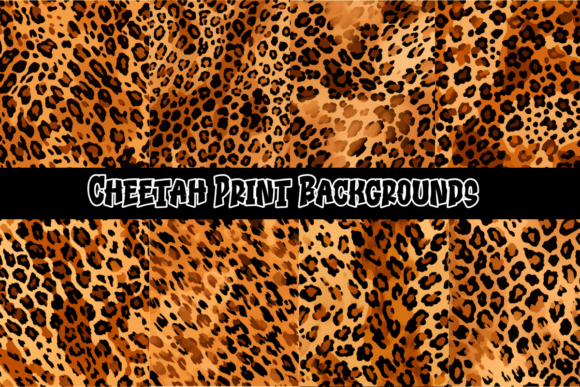
There is a primal energy associated with the animal kingdom that designers frequently tap into, but few patterns command attention quite like the cheetah print. It is more than just a pattern; it is a statement of boldness and speed. When we talk about incorporating Cheetah Print Backgrounds into a project, we are discussing a design choice that instantly communicates confidence, luxury, and a touch of the untamed. Unlike the rigid geometry of modern typography or the strict lines of a serif font, these backgrounds offer organic irregularity that catches the eye immediately.
The visual characteristics of a high-quality cheetah print are nuanced. It is distinct from leopard print; while leopard spots are clustered and rosette-shaped, the cheetah features solid black spots on a tawny gold or yellow background. This distinction matters in design. The solid spots create a more uniform texture that can be easier to layer text over, provided the contrast is managed correctly. The "personality" of these backgrounds is undeniably fierce. It speaks to a demographic that appreciates fashion-forward aesthetics, speed, and elegance. In the world of design assets, this specific pattern carries a heavy cultural weight, often associated with high fashion, vintage pin-up styles, and contemporary streetwear.
Strategic Applications for Modern Creators
Understanding where to deploy Cheetah Print Backgrounds is key to leveraging their power without overwhelming your audience. As a creative professional, you know that context is everything. This pattern is rarely the right choice for a minimalist corporate report, but it shines in environments where personality is the priority.
Branding and Packaging Design
For entrepreneurs in the beauty, fashion, or lifestyle sectors, this pattern is a goldmine. Imagine a boutique cosmetics brand using a subtle, desaturated cheetah print on their shipping boxes or tissue paper. It immediately elevates the unboxing experience, turning a standard transaction into a luxury event. In packaging design, the print can be used as a full background for labels or as a secondary element to frame the product name. It helps build a brand identity that feels established and stylish. If you are designing for a salon, a boutique clothing line, or even a trendy coffee shop, this pattern can serve as a visual shorthand for "cool" and "curated."
Digital Presence and Social Media
In the fast-paced world of social media graphics, grabbing attention in the first second is critical. Cheetah Print Backgrounds are naturally high-energy and stop the scroll. They work exceptionally well for Instagram Stories, Pinterest pins, and TikTok overlays. For web design, however, moderation is advised. A full-page cheetah background can cause visual fatigue and harm readability. Instead, use it for hero sections, footer designs, or sidebar accents. It pairs beautifully with clean sans serif font choices, allowing the text to remain legible while the background adds the necessary flair.
Editorial and Publishing
Bloggers and digital magazine creators can use these backgrounds to break up the monotony of text-heavy pages. A pull-quote or a featured image caption set against a cheetah print border draws the reader’s eye to key information. It is a tool for visual hierarchy, signaling to the reader that this specific content block is special or curated. It adds a layer of tactile realism to digital pages, mimicking the feel of high-gloss magazine paper.
The Mechanics of Design: Pairing and Readability
One of the most common mistakes I see with animal prints is poor integration. The print is busy; therefore, the elements you place on top of it must be structured and clean to maintain readability. This is where your choice of typeface becomes critical.
A script font or handwritten font can look gorgeous on a cheetah background, but only if the text is large enough and the line weight is heavy. Thin, spidery scripts will get lost in the spots. For body text, you should almost always avoid placing it directly over the pattern. Instead, use a solid color block (white, cream, or black) with a slight opacity to create a "safe zone" for your message. If you must place text directly on the print, choose a bold display font or a heavy sans serif font. The thick letterforms will stand up to the visual noise of the spots.
Consider the "personality" clash. If your brand is strictly corporate and conservative, a wild print might confuse your audience. However, if you are a creative font user who loves mixing styles, try pairing a structured serif font with the organic chaos of the cheetah print. The contrast between the rigid typography and the wild background creates a sophisticated tension that feels very modern.
Practical Guide to Selection and Licensing
Not all Cheetah Print Backgrounds are created equal. As you browse collections to find the perfect design assets, you need to evaluate them with a critical eye. Here is a practical checklist for selecting the right file for your project:
- Resolution and Scalability: Ensure the background is high-resolution (300 DPI for print, 72 DPI for web) or, ideally, a vector file. Vectors allow you to scale the pattern infinitely without losing quality, which is essential for large format printing like trade show banners or signage.
- Color Variations: Look for collections that offer more than just the standard gold and black. Modern modern typography trends often utilize "remixed" versions of classic patterns—think neon cheetah, pastel cheetah, or grayscale versions. These variations allow the pattern to fit into specific color palettes without clashing.
- Seamless Tiling: If you are using this for a website background or a large wrapping paper design, check if the pattern tiles seamlessly. A bad tile job will ruin the illusion of an organic print.
- Commercial Licensing: This is the most overlooked aspect. If you are creating a logo, a t-shirt to sell, or marketing materials for a client, you need a commercial font and asset license. "Free for personal use" does not cover business applications. Always verify that the license covers the specific medium you intend to use (e.g., print-on-demand vs. digital ads).
Elevating Your Visual Storytelling
Ultimately, using Cheetah Print Backgrounds