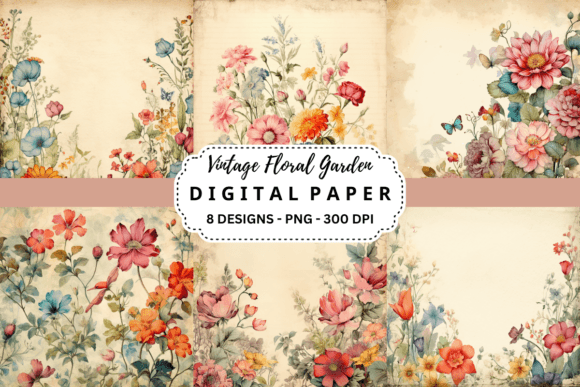
Timeless Elegance: Working with Vintage Floral Garden Backgrounds
There is a distinct warmth that comes from looking at a well-curated garden, a feeling of nostalgia and organic beauty that digital design often struggles to replicate. However, with the right assets, you can bridge that gap. We are looking at a collection of eight high-resolution Vintage Floral Garden Backgrounds, designed specifically to infuse projects with that timeless, botanical charm. These aren't just random flowers; they are carefully composed 300 DPI, 3600 x 3600 pixel PNG files that serve as a versatile foundation for a wide range of creative endeavors.
As a designer or business owner, finding high-quality design assets that don't look generic is a constant challenge. These backgrounds offer a solution that balances artistic detail with practical application. They capture the essence of classic botanical illustrations—think rich textures, muted earth tones, and intricate petal structures—without sacrificing the modern technical requirements of high-end printing and digital publishing.
The Visual Language of a Vintage Garden
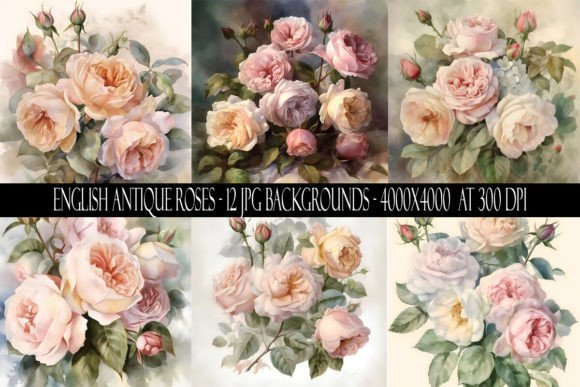
Understanding the personality of these Vintage Floral Garden Backgrounds is key to using them effectively. The style leans heavily into the aesthetic of historical botanical art, characterized by a slightly desaturated color palette that feels organic rather than artificial. You will notice depth in the compositions; the layering of leaves, buds, and full blooms creates a sense of dimension that flat, modern vector graphics often lack.
This visual language speaks to quality and authenticity. In an era of minimalism and stark geometry, the "busyness" of a floral garden background can actually serve as a powerful focal point or a grounding texture. It evokes a sense of heritage and care. When applied to a brand identity, it suggests that the business values tradition, craftsmanship, and the natural world. It is a style that feels premium without being ostentatious, making it incredibly adaptable to both luxury and artisanal markets.
Practical Applications Across Industries
The utility of a 3600 x 3600 pixel file cannot be overstated. This size ensures that the image remains crisp and detailed even when printed on large formats like posters and banners, or when cropped tightly for social media post templates. For graphic designers, these files are a significant asset in the toolkit.
Consider the world of packaging design. A product label for artisanal soaps, gourmet teas, or boutique candles requires a background that communicates the product's nature. These vintage backgrounds provide an immediate visual cue of quality and natural ingredients. Similarly, in editorial design, such as magazine layouts or book covers, these images can set the mood instantly, providing a rich canvas for typography to sit upon.
For digital creators and marketers, the applications are equally broad. Social media graphics need to stop the scroll. A textured, vintage floral background creates a sophisticated stage for text overlays, ensuring that the message is not only seen but felt. It works beautifully for quote cards, promotional announcements, and Instagram story templates. Furthermore, for those in the print-on-demand space, these designs are perfect for wrapping paper, greeting cards, and invitation suites, where the tactile feeling of a product is just as important as its visual appeal.
Integrating Backgrounds with Modern Typography
One of the most critical aspects of using a detailed background like a Vintage Floral Garden is managing the relationship between the image and the text. This is where modern typography meets classic design. The goal is to ensure readability while maintaining the aesthetic integrity of the piece.
When pairing typefaces with these backgrounds, contrast is your best friend. Because the floral patterns are often organic, flowing, and intricate, a clean sans serif font can provide a necessary visual break, making the text legible against the complex background. Alternatively, a bold serif font can complement the vintage vibe while offering strong visual hierarchy. Avoid overly delicate script fonts or highly detailed handwritten fonts for body copy, as they can get lost in the texture of the flowers. Save those for large headlines where you can control the size and weight.
Think about brand identity and consistency. If you are building a brand that utilizes these backgrounds, ensure your typography remains consistent across all platforms. The background provides the emotional context—warmth, nostalgia, nature—while your chosen typeface provides the voice. Together, they build a cohesive brand perception that feels professional and intentional.
Strategic Selection and Usage Tips
When incorporating these assets into your workflow, a strategic approach will yield the best results. Here are a few practical considerations:
- Evaluate the Canvas: Before dropping a background into a project, look at the specific composition of the PNG file. Does it have a natural focal point or a quieter area? Use the less busy sections of the image to place critical text or logos to ensure readability.
- Color Harmony: Even though these are vintage styles, they possess a distinct color palette. Pull colors directly from the floral arrangement to use in your typography or accent graphics. This creates a unified and harmonious design that feels professionally curated.
- Layering Techniques: Don't be afraid to modify the asset to fit your needs. You can apply a subtle overlay (white, black, or a brand color at a low opacity) to mute the background slightly, allowing text to pop. You can also use blending modes in your design software to create unique textures.
- Commercial Considerations: Since these are high-quality design assets, they are likely intended for commercial use, such as logo design elements, web design themes, or merchandise. Always review the specific licensing terms to ensure your intended use—whether personal or commercial—is covered, especially for print on demand projects.
Ultimately, Vintage Floral Garden Backgrounds are more than just pretty pictures; they are tools for storytelling. They allow creators to transport their audience to a different time, evoke specific emotions, and establish a visual narrative that resonates. By pairing these rich, botanical textures with thoughtful typography and strategic design choices, you can elevate a standard project into something truly memorable and engaging.