Modern Gradient Backgrounds: Elevate Your Creative Projects
When you need to inject immediate energy, depth, and a contemporary feel into a design, few elements work as effectively as a well-crafted gradient. Modern Gradient Backgrounds, especially when paired with subtle textures like line patterns, offer a versatile and visually striking solution. This set of vector gradient backgrounds is designed to be a foundational tool for a wide range of creative professionals and hobbyists. It’s not just about pretty colors; it’s about providing a dynamic canvas that enhances your core content, whether that’s typography, imagery, or a logo.
Understanding the Visual Language of Gradient Backgrounds
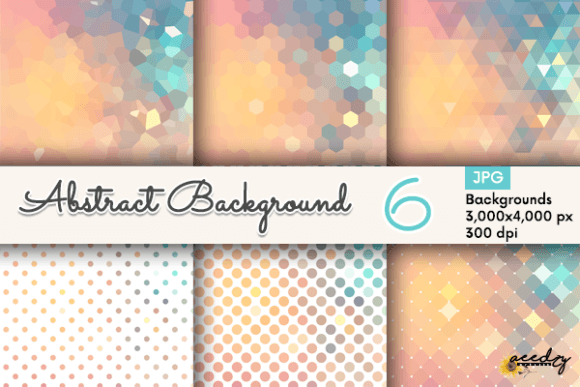
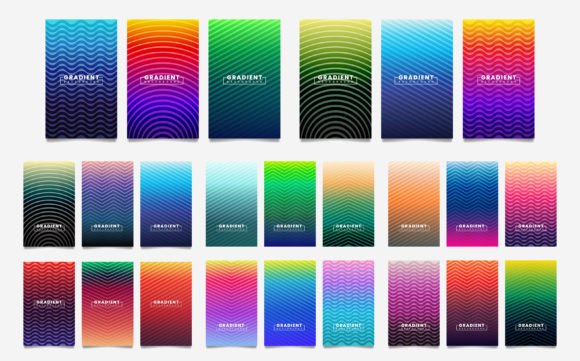
The appeal of these backgrounds lies in their sophisticated blend of color and form. The gradients themselves move beyond simple two-tone transitions. They often feature multi-stop color flows, subtle shifts in hue, and strategic placement that creates a sense of movement or focus. This isn't a static, flat color field. Instead, it feels organic and alive. The addition of a fine line texture is a critical detail. It breaks up the smoothness just enough to add a tactile, almost paper-like quality, preventing the design from feeling overly digital or sterile. This combination results in a style that is both bold and refined—professional enough for corporate branding yet creative enough for artistic projects.
Think of the personality these assets convey. They suggest innovation, modernity, and a forward-thinking mindset. The color palettes can range from vibrant and energetic combinations perfect for a tech startup or a fitness brand, to more muted, sophisticated tones ideal for luxury goods or architectural firms. The line texture adds a layer of craftsmanship, hinting at a process or a structure beneath the surface. This makes them exceptionally useful for projects where you want to communicate both creativity and reliability.
Practical Applications: Where These Backgrounds Shine
The true value of a design asset is measured by its utility across different projects. This is where a set of Modern Gradient Backgrounds proves its worth. Its adaptability is a major strength.
For branding and identity, these backgrounds can become a core element of a visual system. Imagine a logo design presented against a gradient that complements its colors, instantly elevating the brand's perceived value. They are excellent for packaging design, creating a shelf presence that feels current and premium. In editorial design, such as magazine layouts or report covers, they provide a compelling backdrop that draws the reader in without overwhelming the text.
In the digital realm, the applications are endless. They make for stunning social media graphics—Instagram stories, post backgrounds, and Facebook covers that stop the scroll. For web design, they can be used for hero sections, call-to-action banners, or as subtle background elements that guide the user's eye. The vector formats (AI and EPS) mean they scale perfectly for any screen size, from a mobile phone to a large monitor, without losing quality.
Beyond commercial work, they are fantastic for personal projects. Create unique wallpapers for your devices, design eye-catching invitations, or use them as a base for digital art and crafting projects. The included patterns offer variety, allowing you to match the background's mood to the specific tone of your project, whether it's playful, elegant, or minimalist.
Working with Gradient Backgrounds: A Practical Guide
Integrating these assets effectively requires a bit of strategy. Here’s how to get the most out of them.
- Choosing the Right Background: Start with your project's goal. Is the focus on a single, powerful piece of text? Choose a gradient with a calmer area to place your content. Are you creating an energetic banner? Opt for a more dynamic, high-contrast gradient. Look at the eight different patterns provided. Each has a distinct rhythm and flow—some may be better for horizontal layouts, others for vertical ones.
- Evaluating Fit with Content: Always place your core elements—your typeface, logo, or product image—onto the background early in the design process. Check for legibility. Dark text generally needs a lighter or less saturated area of the gradient, and vice versa. The line texture should enhance, not compete with, finer details like small sans serif font characters or delicate script letterforms.
- Font Pairing Considerations: The background is part of your overall typographic environment. A bold, modern gradient often pairs well with clean, geometric sans serif fonts for a cohesive, contemporary look. For a more classic or luxurious feel, a sharp serif font can create beautiful contrast. If you're using a script font or handwritten font, ensure the background's texture doesn't clash with the font's inherent style—test it carefully.
- Testing and Iteration: Don't settle for the first combination. Use the different gradient files provided in the ZIP folder to experiment. Adjust the scale of the background. Sometimes, zooming in on a specific section of the gradient creates a more interesting and unique texture. Play with transparency and blending modes if your software allows, to create even more custom effects.
- Commercial Use and Licensing: Since you receive the files in a compressed ZIP folder, it’s crucial to understand the license. These are typically commercial font and asset licenses, meaning you can use them in projects for clients or for sale. However, you cannot resell the background files themselves as standalone assets. Always review the specific license terms included with your download to ensure compliance, especially for large-scale commercial projects like merchandise.
Ultimately, a set of Modern Gradient Backgrounds with line texture is more than just decorative filler. It’s a premium design asset that can streamline your workflow, inspire new directions, and add a layer of professionalism to your work. By understanding their visual personality and applying them thoughtfully, you can create cohesive, engaging, and memorable designs that resonate with your audience.